How India Embraced Technology In Transforming Retail and E-Commerce
Navigating the impact of advanced tech in the retail landscape
Posted On
9.11.2023 13:22
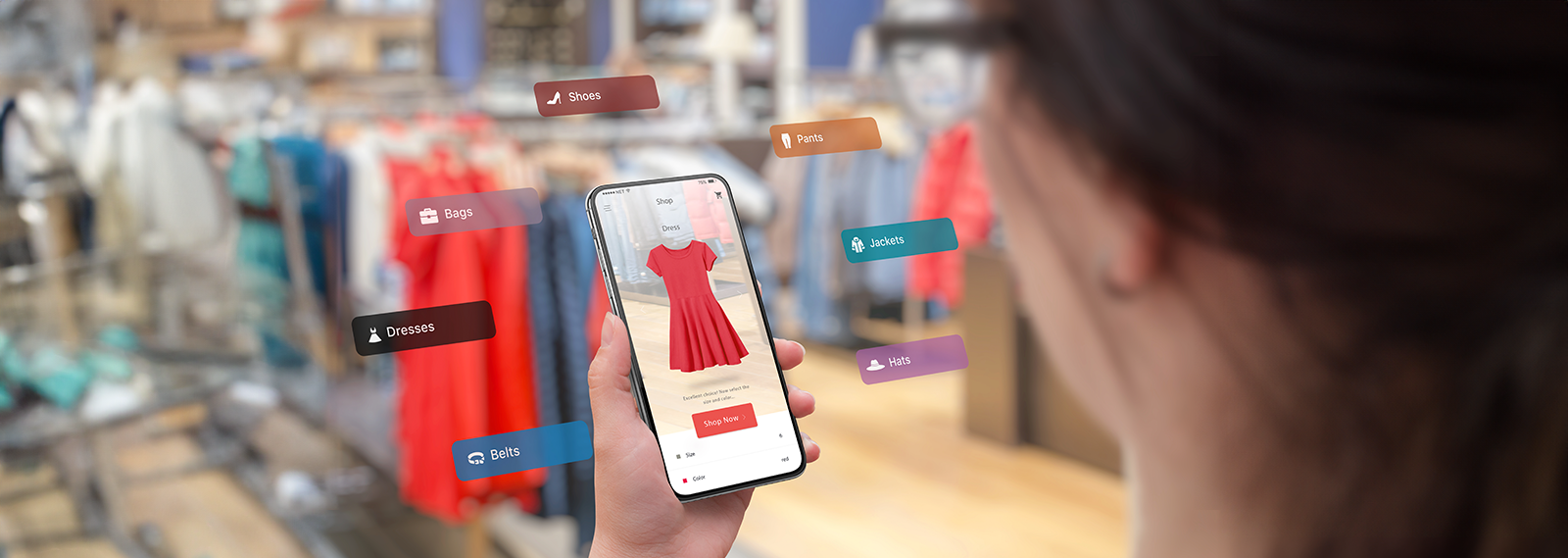
Technology is transforming the way retail and e-commerce industries do business. It’s changing the DNA of prominent brands, influencing the ways brands talk to customers today, and making the shopping experience smarter with access to a broader market. According to Forrester, online retail in the Indian sub-continent is poised to take off in 2023, and it will grow at a CAGR of 19.8% and more than double to $85.5 billion by 2025. (Source: ET Retail)
Several pivotal factors underpin this trend. One of which is the gradual adoption of e-commerce into tier II and tier III cities, facilitated by affordable internet access and the continuous expansion of logistics networks. The success of retailers in this endeavour hinges on their ability to optimize their product offerings and pricing strategies. Meaning that the brands have the opportunity to get in front of tomorrow’s customers as well as those with purchasing power today.
Brands are keen to connect with their communities, and interestingly, the demography really knows innovation. However, it is surprising how every generation seems to have adapted to the experience the online retail industry offers via technology. And with a glint of realisation, the retailers have embarked on a quirky journey to transform their stores into vibrant, tech-savvy wonderlands. Adding touchscreens, interactive try-on mirrors, virtual reality shopping experiences, and same-day delivery options, the industry has become a playground of innovation.
After all, investing in art is obviously not a brand-new revelation.
Furthermore, the government of India recently launched the Open Network for Digital Commerce (ONDC). This pilot program will allow businesses of all sizes to join the digital commerce revolution. ONDC targets to raise e-commerce reach in the next two years to 25% of India's consumer purchases, from 8% currently in a country of over 1.35 billion people.
In summary, the retail industry is on the brink of more significant changes in the next five years than it has witnessed in the previous fifty years. Successfully managing this transformation will be crucial for the survival of retailers (Source: ET Retail)
Stats Apart, it is evident that consumer mindsets are fluid and adaptable, influenced by context and circumstances. Tech emerges as a powerful ally for retail businesses, as it can adapt to consumers' changing needs and expectations. The adoption of tech solutions is not merely a technological advancement but also a strategic move in the evolving retail landscape. From personalised journeys fuelled by data analytics to seamless omnichannel integration, here are some of the transformative technologies shaping the retail industry:
Personalization For A Quick Win
By meticulously collecting and scrutinising this valuable data, retailers can unveil profound insights into individual preferences, past buying behaviours, and browsing patterns. Armed with these insights, businesses craft personalised recommendations, tailor-made promotions, and shopping experiences that feel uniquely yours. It's the magic of retail: connecting with customers on a profound level through precisely targeted email marketing, customised product suggestions, or the wizardry of AI-powered chatbots. The result? An unbreakable bond of loyalty and satisfaction that defines the modern shopping journey.
Seamless Omni-Channel Integration, A Bridge To Persuasion
Seamlessly blends the physical and digital. Shoppers expect a unified experience across websites, apps, social media, and brick-and-mortar stores. To achieve the retail symphony, retailers must integrate inventory, customer data, and order fulfilment for a smooth transition. Options like "buy online, pick up in-store," endless aisles, and hassle-free returns meet tech-savvy consumers' needs for convenience. It's a retail revolution, making shopping straightforward and convenient.
Internet of Things (IoT); Smart Retail Environments to the Appeal
The IoT bridges the physical and digital realms, enhancing retail possibilities. Smart shelves, beacons, and sensors provide real-time insights into customer behaviour, optimising inventory and dynamic pricing. IoT empowers retailers to create adaptive, personalised shopping environments, improving operational efficiency and customer satisfaction. IoT-driven supply chain management enhances inventory tracking, reducing stockouts.
Voice Commerce and Conversational AI Offering Value
Generative AI is not only helping with product design and textile prototyping but also has significant potential to improve brand communication. Voice assistants and AI-driven conversational agents enable hands-free shopping, order tracking, and tailored recommendations, enhancing customer support, streamlining processes and deepening engagement. Retailers must embrace voice-search-friendly platforms and seamless voice assistant integration to achieve improved shopping experiences.
Augmented Reality and Virtual Reality; a Powerful Alley in Disguise
Physical stores remain essential, yet technology transforms the in-store experience. AR, VR, and interactive displays create immersive environments. Shoppers visualise products, virtually try them, and receive personalised recommendations. Retailers should blend digital and physical realms, driving foot traffic and sales.
In this technology-driven era, retail industry sure has the opportunity to offer personalised experiences, promote sustainability, enhance design, and communicate brand stories using AI|AR|VR, and you have the opportunity to explore its potential for your business, thereby strengthening brand perception and fostering consumer loyalty. The retail landscape is evolving, and technology is a key player in shaping its future. But to have control over its application, the expertise of App Vista yields strong support in catering to evolving needs of all consumer types and their expectations.
For an optimal experience, please
rotate your device to portrait mode.